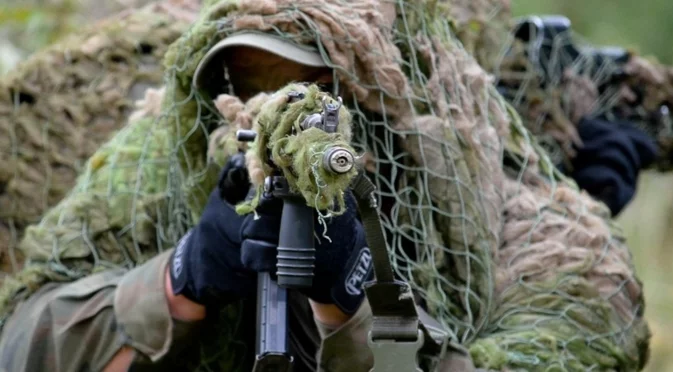
A Russian paramilitary school was uncovered in Serbia last week. It all started after dozens of people were arrested in Moldova and accused of plotting to organize “mass riots,” and then it turned out that they had undergone combat training in Serbia. Arrests also followed in Serbia itself, where two people were detained. They are Lazar Popovic, 35, and Savo Stevanovic, 47, who are allegedly connected to the financing and organization of Russian paramilitary training camps for Moldovans and Romanians in the territory of Loznica. They are suspected of training more than 150 Moldovan and Romanian citizens to incite riots after the Moldovan elections.
What is known about this paramilitary school, how it functioned, what was its first target and whether it was connected to the Serbian authorities – reveals in its analysis the Balkan Investigative Reporting Network – BIRN, consisting of local non-governmental organizations promoting freedom of speech and human rights.
It should be noted that the information about the camp comes against the backdrop of the Institute for the Study of War’s analysis that the Kremlin continues its efforts to destabilize the Balkans and dismantle the 1995 Dayton Agreement, which ended the 1992-1995 Bosnian war, with the goal of throwing the Balkans into chaos.
Perhaps the location of the paramilitary school is no coincidence. We know that Loznica is a city in Western Serbia, close to Bosnia and Herzegovina. MORE: Russia officially talks about a “war in the Balkans”
Camp details
According to BIRN, over 150 foreign citizens with pro-Russian orientation were trained at this camp from June to September this year, in identifying combat targets, shooting at a shooting range, and training.
According to a BIRN source, in recent months, groups of around 50 people have come to the Sunny River complex at least four times.
“They stayed there for seven days and always had paid full board. They spoke Russian. The last time they were there was ten days ago. Two men would arrive before everyone else, organize everything and wait for the groups. The interns spent most of their time in the meeting room,” the source said.
According to the investigation, one of the arrested is suspected of paying around 10,000 euros to paramilitary training instructors through his companies and gambling cards. MORE: Arrests in Moldova: Russian agents trained in Serbia detained (VIDEO)
Photo: Getty Images
His first goal
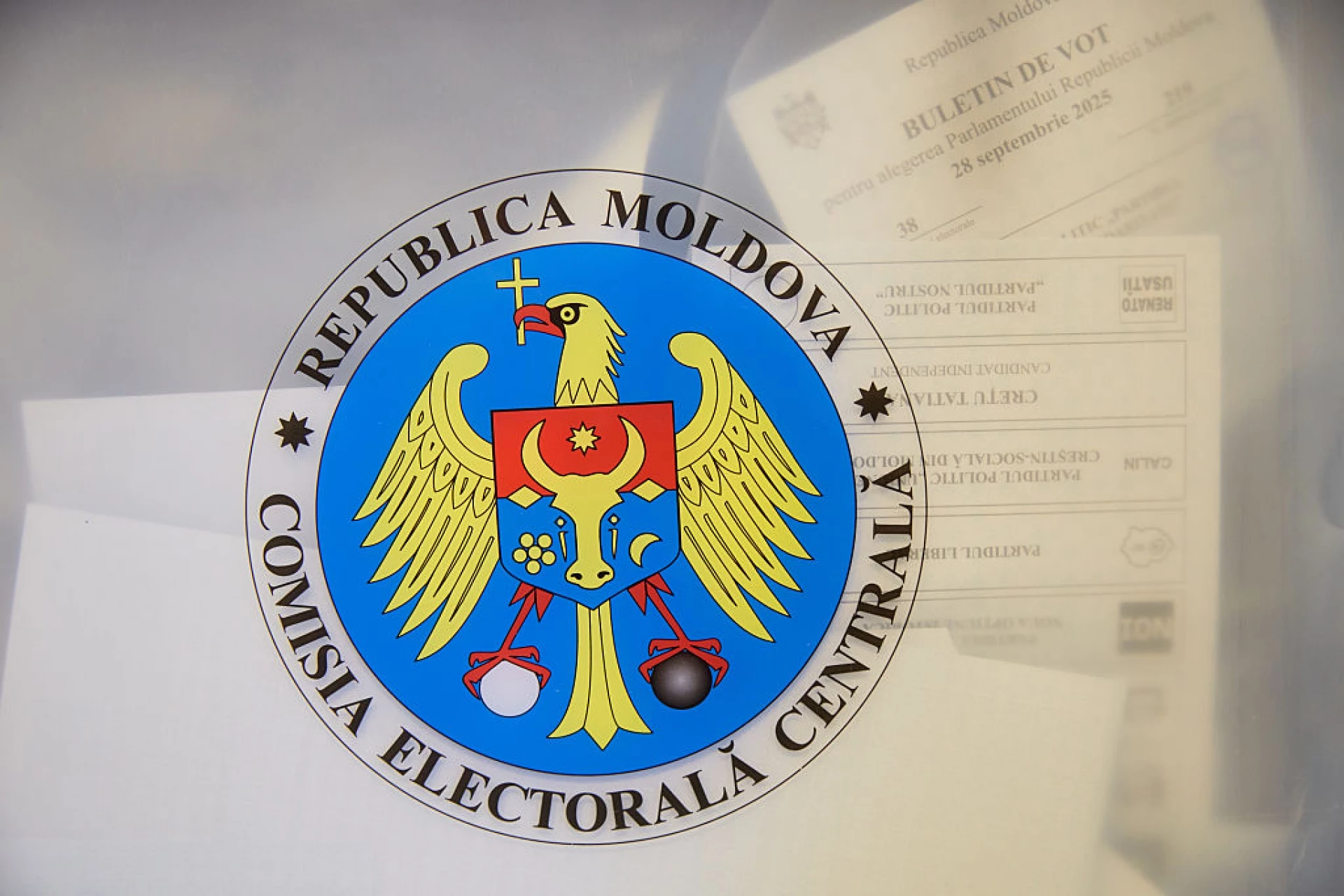
The training was specifically related to responding in the event of an unfavorable election result for pro-Russian forces in the parliamentary elections in Moldova on September 28.
These elections are considered crucial for the political future of Moldova, a candidate for membership in the European Union, because, as BIRN writes, a “dead end” is predicted between pro-European parties and parties that want the former Soviet republic to get closer to Moscow again.
Relations with the Serbian authorities
The Russian paramilitary school in Serbia was linked to the current Minister without Portfolio in the Serbian government, Nenad Popovic. The link is one of the people arrested in Serbia on suspicion of organizing Russian paramilitary training camps for Moldovans and Romanians in the territory of Loznica. It turns out that he was an advisor to the minister in question some time ago.
A BIRN source says he has not been in regular contact with the minister in recent years. The other detainee, Savo Stevanovic, was also a member of Nenad Popovic’s Serbian People’s Party before joining the Healthy Serbia party of Caetina Mayor Milan Stamatovic. MORE: Serbia arrests two people for conducting combat training for citizens of Moldova and Romania
The reaction in Serbia
MP and vice president of the Party for Freedom and Justice, Marinika Tepic, asked on Friday whether the state of Serbia was involved in this, the Macedonian media outlet “Vecer” reported.
Ivan Miletic, a defense and security expert, told the Serbian portal Danas that this is not the first time that such camps have been organized in Serbia. He recalls the Russian Wagner camp, but also the children’s camp in Zlatibor, which, according to him, was organized by a Russian organization for children in Serbia. He states that similar camps were also organized by the church in the 1990s.
“Whether it is realistic that such a camp was organized without the knowledge of our services is a serious question, because if it happened without the knowledge of our services, then this is a serious oversight that should not happen, and if it was organized with the knowledge of our services, then the director of the service must answer why it was approved,” he says.
You can see the entire BIRN material HERE .
Source: Тайната “армия” на Русия на Балканите: Подробности за паравоенното училище в Сърбия и първата му цел
0 Comments